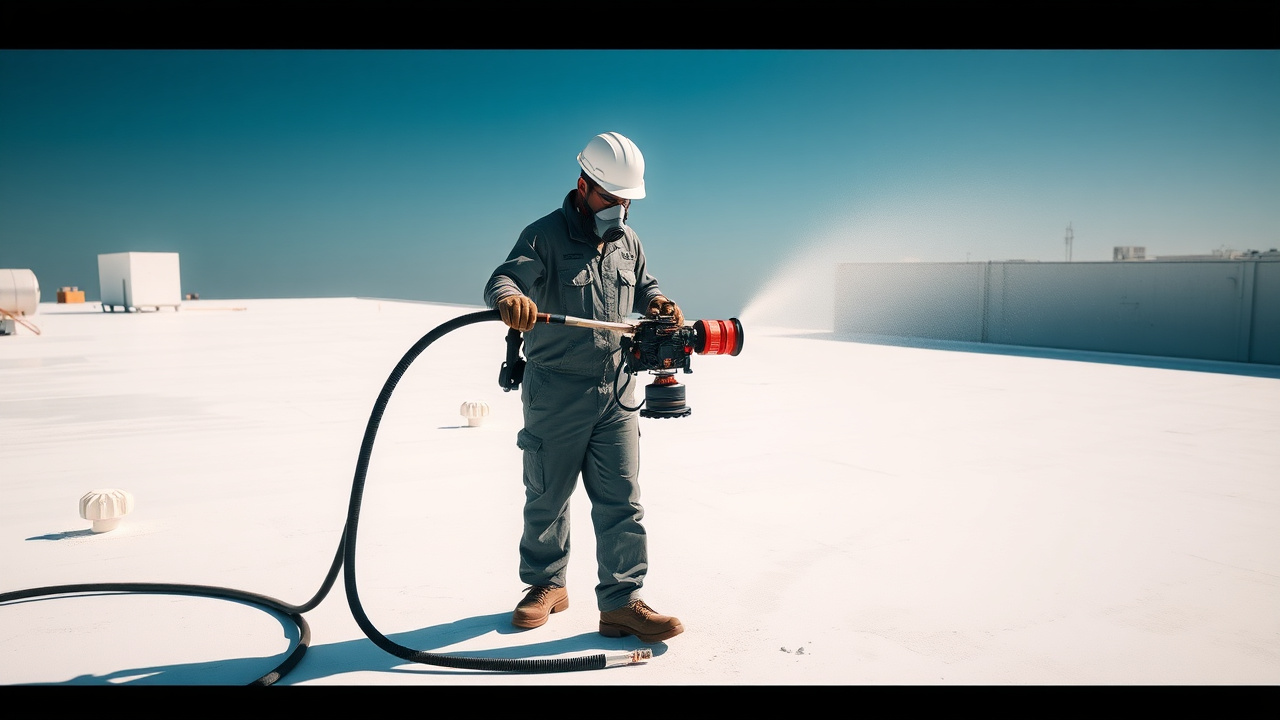
The buying guide for roof coating sprayers.
Airless vs plural-component, tip and nozzle sizing, coating-specific spray requirements, and brand-agnostic buying guidance — for contractors applying elastomeric, silicone, and acrylic roof coatings. Real spec ranges, not sales copy.
Not sure which equipment category you need?
The decision isn't about budget — it's about whether your coating is single-component or a reactive 2-part system. Tell us what you're spraying and we'll point you the right direction.
- Airless vs plural-component
- Tip sizing by viscosity
- New vs used, rent vs buy
Roof coatings ask more of your equipment than wall paint ever did
Higher build rates, thicker material, and — for 2-part systems — reactive chemistry that airless equipment can't handle at all.
Higher GPM output
Roof coatings go down at much higher build than wall paint, across large flat and low-slope areas — production rate depends on pump output, not just pressure.
Larger tip orifices
Higher-viscosity coatings need more orifice area to pass material without clogging or fighting the pump — general paint tip charts often undersize for this.
Some systems are reactive
Spray foam and true 2-part coatings need plural-component equipment with heated hose — there's no airless workaround for a chemically reactive system.
Two equipment categories — pick by chemistry, not budget
Every roof coating sprayer question traces back to one of these two categories. Click through for pressure ranges, pump architecture, and what each is actually built for.
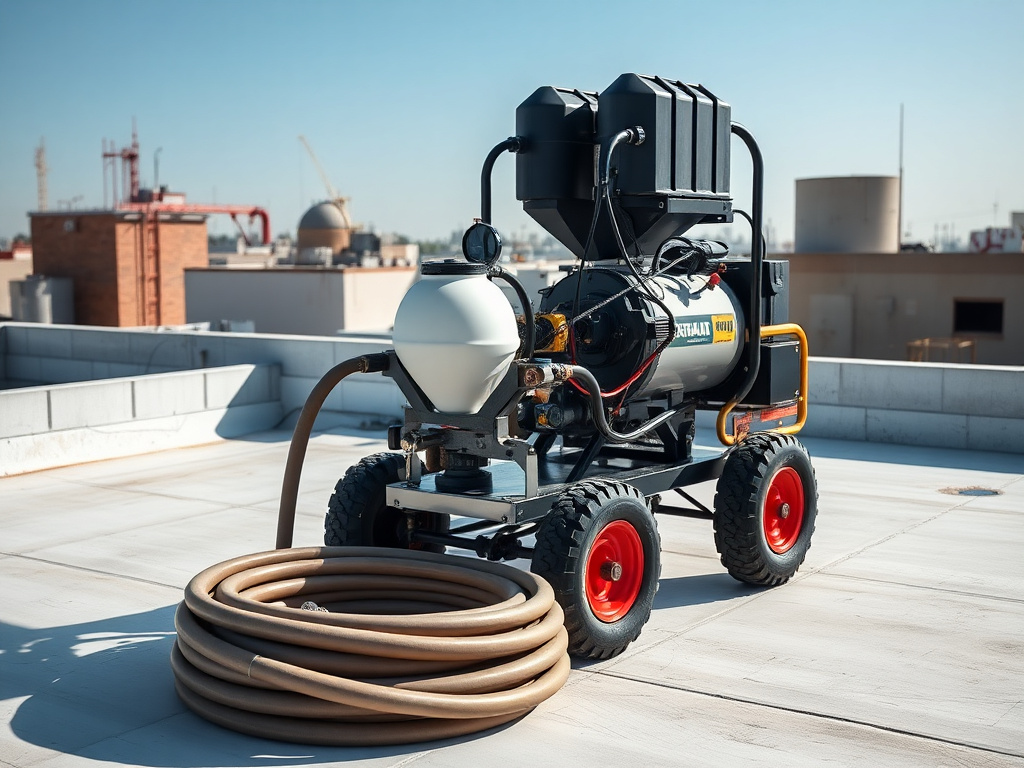
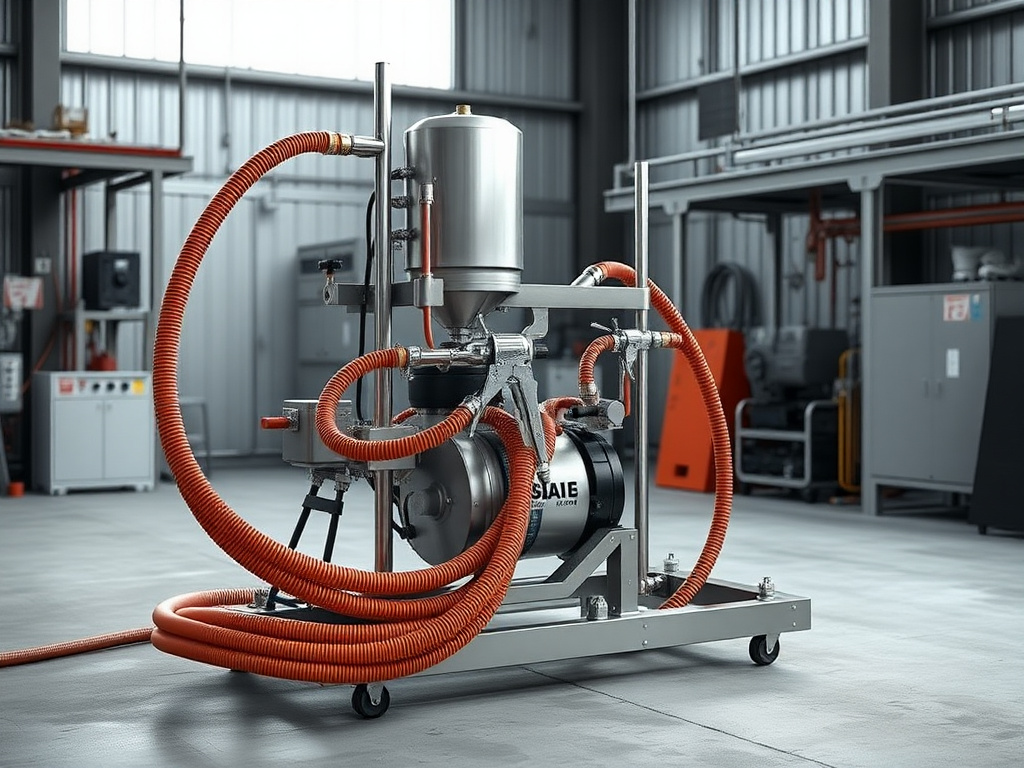
Airless vs plural-component
Typical ranges — every coating's own technical data sheet is the final word.
| Spec | Airless | Plural-Component |
|---|---|---|
| Typical pressure | Diaphragm: lower · Silicone-class piston: 3,500–7,000 PSI | Commonly ~1,500–2,500 PSI |
| Coatings supported | Acrylic, elastomeric, most silicone | SPF, polyurea, 2-part polyurethane |
| Hose | Standard high-pressure airless hose | Heated hose, separate A/B lines |
| Cleanup | Water (acrylic) or specified thinner (silicone) | A/B sides must stay fully separated |
Long-form answers to the questions we hear most
Roof coating sprayer FAQs
An airless sprayer applies a single, pre-mixed coating using pump pressure to atomize material at the tip — the standard choice for acrylic, elastomeric, and most silicone roof coatings. A plural-component rig meters, heats, and mixes two separate reactive components (A-side and B-side) at the gun, which is required for spray polyurethane foam and true 2-part coatings like polyurea. They're different equipment categories, not different budget tiers of the same thing.
Generally no. Roof coatings — especially silicone and high-build acrylic products — run thicker than typical wall paint and need more pump output and pressure to atomize properly. A light-duty paint sprayer usually can't push enough volume through a tip sized for roof-coating viscosity without clogging or laying down an uneven pattern.
It depends on the coating's viscosity and your target mil thickness — general heavy-coating tip bands run roughly 0.021"–0.027", though a published silicone-specific spray guide has called for a minimum 0.030" orifice. Always check the coating manufacturer's technical data sheet first; formulations vary enough between manufacturers that a general chart is a starting point, not the final answer.
It varies by coating type. Acrylics generally need less pressure than silicone; published silicone spray guides have called for pressures as high as 5,000-7,000 PSI. Plural-component polyurethane/polyurea systems typically run in a different, generally lower band, commonly cited around 1,500-2,500 PSI, since proper A/B metering and temperature matter more than raw pressure for those.
Occasional or small jobs generally favor renting, since it avoids tying up capital in equipment that sits idle most of the year. Frequent or scaling commercial work generally favors ownership — rental costs compound quickly on a rig you'd otherwise be running weekly. See our buying guide for the full framework.
No — this is an independent, brand-agnostic information resource. We don't sell equipment or endorse specific manufacturers. Our contact form connects you with buying guidance, not a sales pitch.
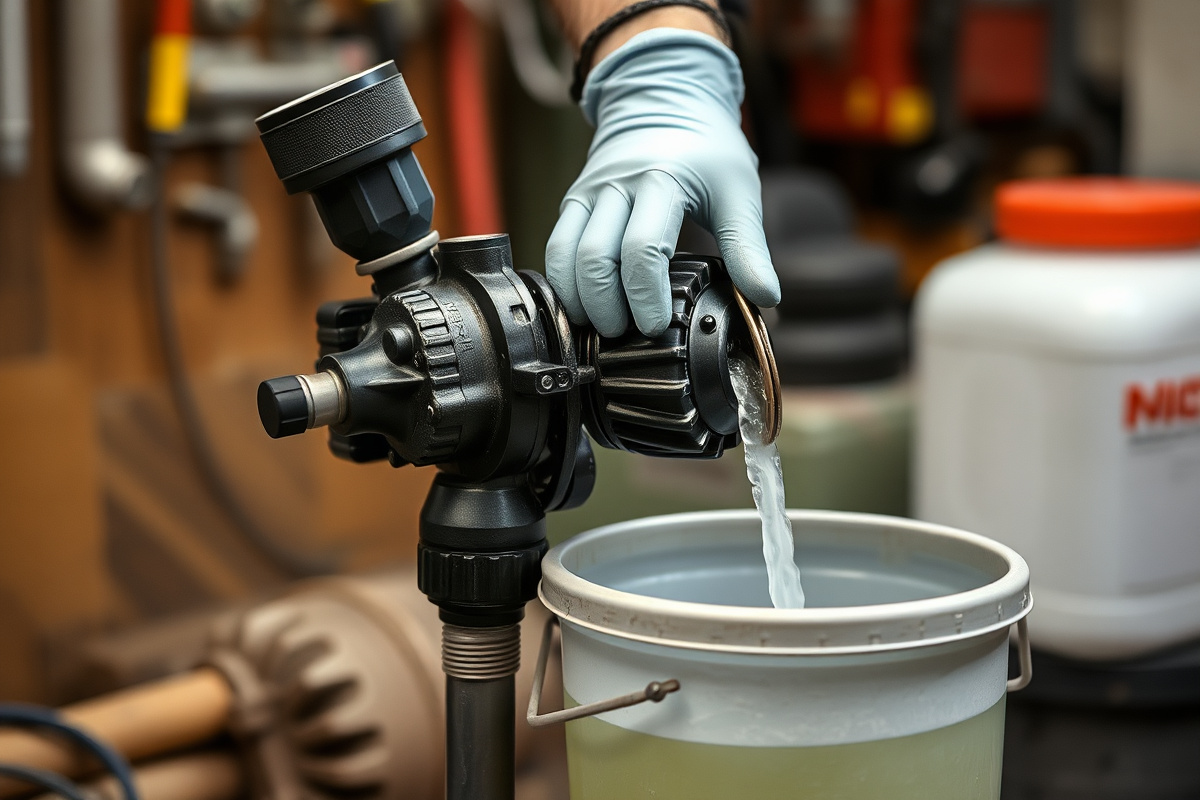
Most equipment failures are a maintenance gap, not a defect.
Water left in a system before a freeze is the single most common cause of winter damage. Cross-contaminating chemistries, skipping tip inspection, and letting filters clog are the other recurring causes we see referenced across sprayer maintenance guides.
A consistent flush-clean-inspect routine after every job — and a real winterization pass at season's end — is what keeps a rig running for years instead of needing a rebuild every spring.
Get personalized equipment buying help
Tell us about your coating type, job size, and current setup — we'll point you toward the equipment category and specs that actually fit, no brand pitch attached.